
When selecting what to wear for morning meditation or an evening yoga session, most practitioners focus on comfort and style. However, emerging research reveals that mindful clothing choices can significantly impact your performance, recovery, and overall practice experience. Understanding the science behind premium yoga clothing brand offerings helps practitioners make informed decisions that enhance both their physical capabilities and mental focus. The Neuroscience of Comfortable Clothes for Yoga Recent studies in cognitive science demonstrate that what we wear directly influences our psychological state and physical performance. This phenomenon, known as “enclothed cognition,” explains why choosing the right yoga outfit for beginners and experienced practitioners alike goes beyond mere aesthetics. When we wear clothing specifically designed for wellness activities, our brain receives signals that prepare us for mindful movement and focused breathing. (Image: https://d2j6dbq0eux0bg.cloudfront.net/images/83825954/4144873284.jpg) Research published in the Journal of Sport and Exercise Psychology found that participants wearing performance intelligentthreads yoga wear apparel showed improved proprioception and body awareness compared to those in regular clothing. The tactile feedback from properly fitted, high-quality fabrics helps practitioners maintain better alignment and reduces the mental energy required to adjust uncomfortable garments during poses.
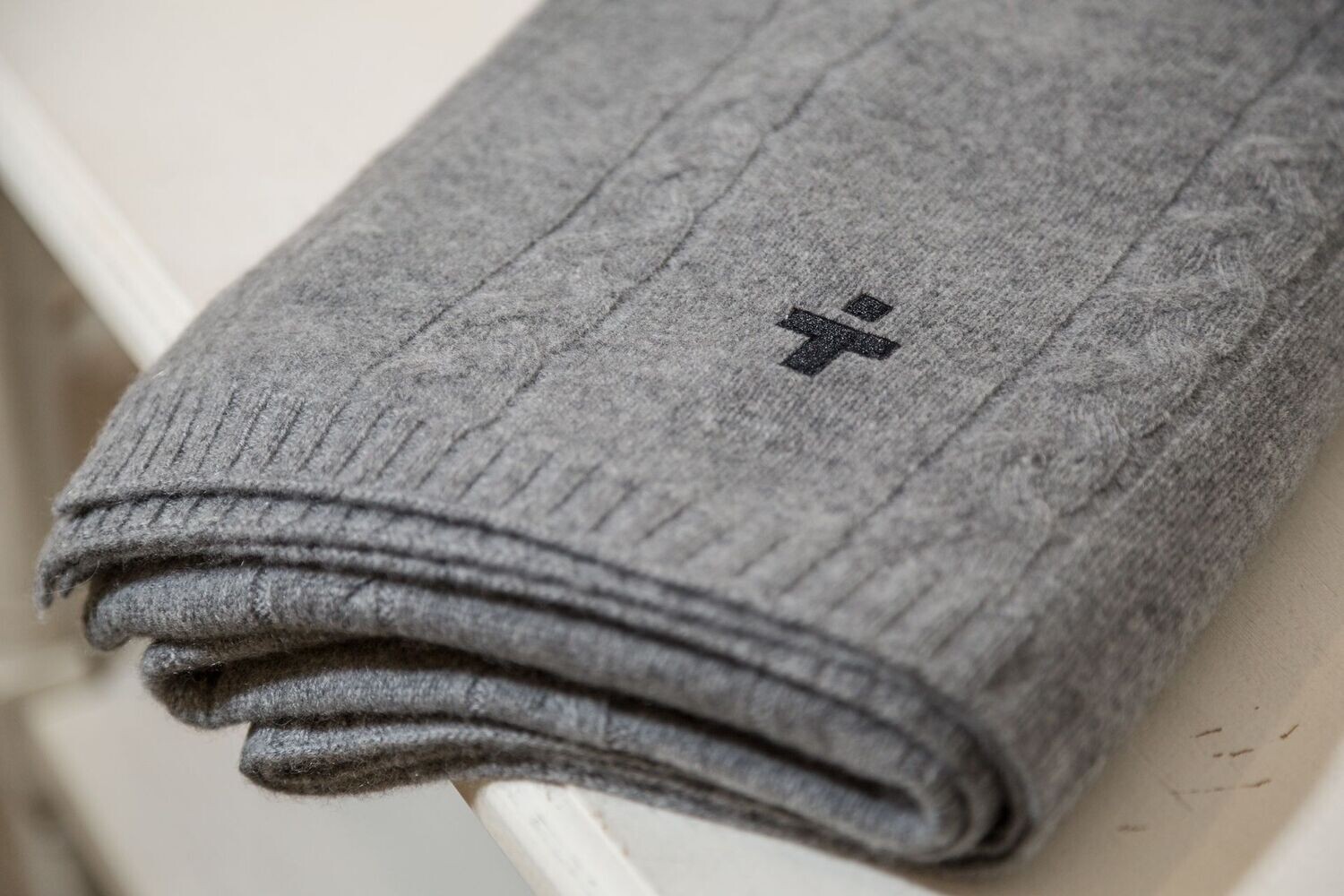
Natural fiber yoga wear, particularly bamboo yoga clothing, has gained attention from researchers studying the relationship between fabric composition and stress response. Bamboo fibers naturally regulate temperature and wick moisture more effectively than synthetic alternatives, helping maintain the optimal body temperature for sustained practice. This thermoregulation is crucial for what to wear to yoga class, especially in heated environments where the best clothing for hot yoga becomes a performance factor.
The fabric science behind breathable fabric for yoga reveals why material choice matters more than many practitioners realize. Natural fibers allow for better air circulation, reducing the buildup of heat and moisture that can distract from meditation and movement. When considering how to choose yoga clothes, the fiber composition should be a primary factor, as it affects everything from flexibility to odor resistance. Recovery Apparel for Yoga: The Post-Practice Science The benefits of wellness apparel for yoga extend beyond the practice session itself. Recovery apparel for yoga incorporates compression technology and moisture-wicking properties that support the body's natural healing processes. Graduated compression in yoga wear with recovery benefits helps improve circulation, reducing inflammation and accelerating the removal of metabolic waste products from muscles.
Studies in sports medicine have shown that wearing appropriate recovery garments for 2-4 hours post-exercise can significantly reduce delayed onset muscle soreness (DOMS). This principle applies directly to yoga practice, where sustained holds and deep stretches create microscopic muscle damage that requires proper recovery support. The best fabric for yoga wear in recovery contexts includes materials with four-way stretch that maintain gentle compression without restricting blood flow.
What to wear for meditation also plays a role in post-practice recovery. Soft, non-restrictive fabrics support the parasympathetic nervous system's activation during cool-down and meditation phases. Research indicates that clothing pressure points and fabric texture can influence cortisol levels and heart rate variability, both key markers of stress recovery. Premium Yoga Clothing Brand Innovation and Performance Enhancement Leading premium yoga clothing brand manufacturers invest heavily in research and development to create garments that enhance rather than hinder practice. Advanced fabric technologies incorporate antimicrobial treatments, UV protection, and even therapeutic minerals that some claim support muscle recovery and energy flow.
The yoga apparel guide to technical fabrics reveals innovations like moisture-activated cooling, which uses the body's natural perspiration to create a cooling effect during intense practice. These technologies are particularly relevant for determining the best clothing for yoga and meditation in various environmental conditions.
What should I wear to yoga class has evolved from a simple comfort question to a complex consideration of fabric technology, fit engineering, and performance enhancement. Modern yoga and meditation outfit designs incorporate flat-seam construction to eliminate chafing, strategically placed mesh panels for ventilation, and fabric treatments that maintain their properties through repeated washing and wear.
For clothing for mindfulness practice, manufacturers are exploring how fabric weight, texture, and even color can influence mental states. Preliminary research suggests that certain fabric weights provide optimal sensory feedback for body awareness without creating distraction, while specific textures may promote relaxation and focus. Understanding these nuances helps explain why meditation clothing tips often emphasize natural, soft materials that feel almost weightless against the skin.
When exploring different yoga outfit ideas, practitioners should consider that does clothing affect meditation practice is no longer a philosophical question but one with measurable answers. The intersection of textile science and mind-body practices continues to reveal new insights about optimizing our practice environment, including what we choose to wear. Conclusion The science behind premium yoga clothing brand development reveals that our apparel choices profoundly impact practice quality, performance, and recovery. From the neurological effects of enclothed cognition to the physiological benefits of proper fabric selection, every element of our yoga and meditation attire serves a purpose beyond appearance. As research continues to uncover the connections between clothing and consciousness, practitioners who invest in scientifically-informed apparel choices position themselves for deeper, more effective practice experiences that extend well beyond the mat.